


-

Add: HeBei ShengShi HongBang Cellulose Technology CO.,LTD.
-

Email
13180486930@163.com -

CONTACT US
+86 13180486930
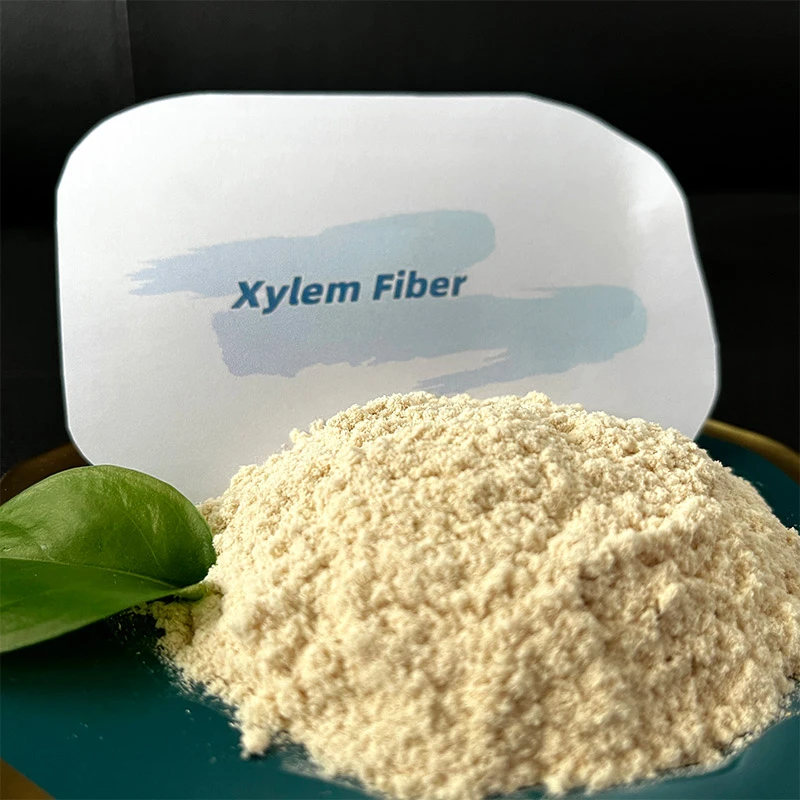
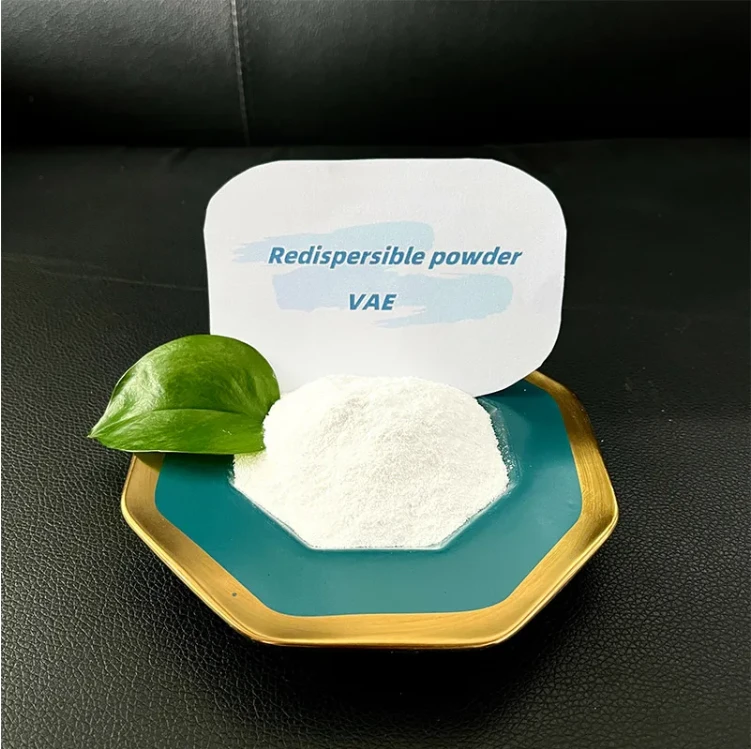
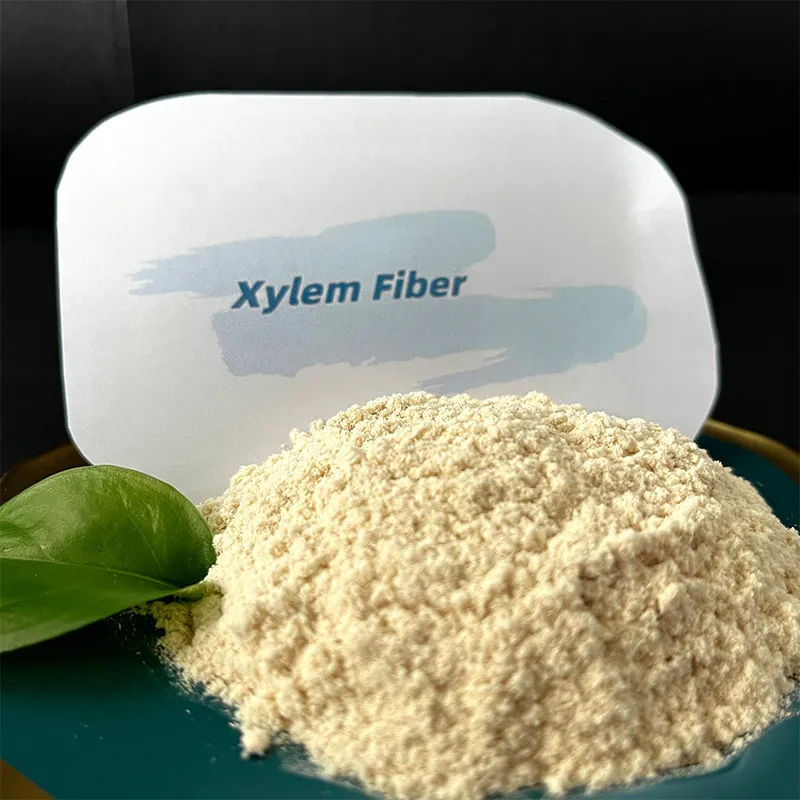


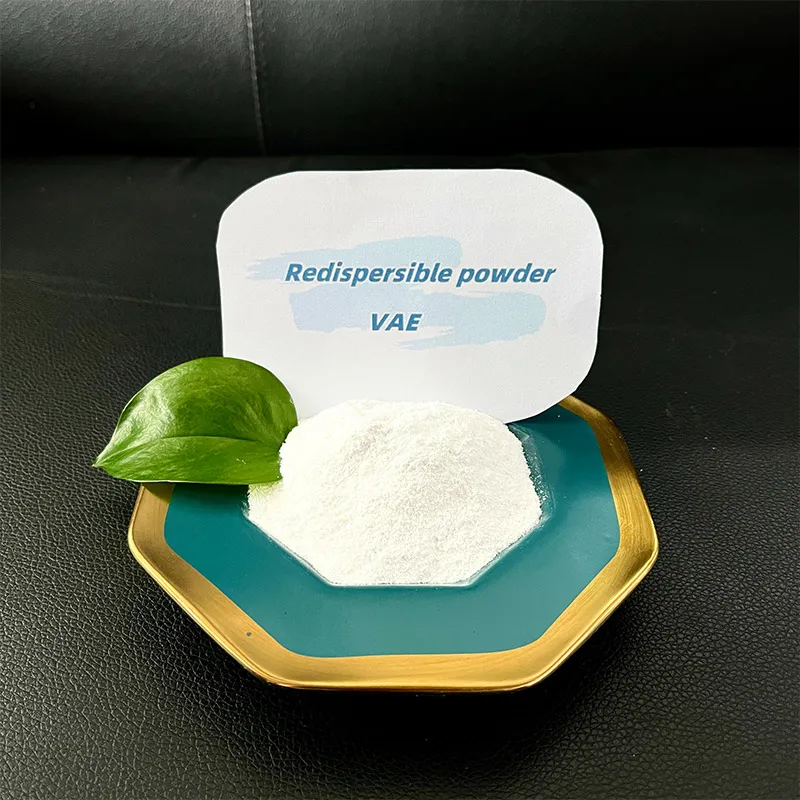
Redispersible Emulsion Powder is a key solution in the chemical industry industry, specifically within fine chemicals and Building Chemicals. This article explores how HeBei ShengShi HongBang Cellulose Technology CO.,LTD. supports professionals with durable, high-performance products, and explains why this product is an ideal choice for businesses in these sectors. Table of Contents Redispersible Emulsion Powder Overview Benefits & Use Cases of Redispersible Emulsion Powder in Building Chemicals Cost, Maintenance & User Experience Sustainability & Market Trends in chemical industry Conclusion on Redispersible Emulsion Powder from HeBei ShengShi HongBang Cellulose Technology CO.,LTD. Redispersible Emulsion Powder Overview Redispersible Emulsion Powder (often called redispersible latex powder, VAE redispersible powder, or simply redispersible powder) is a free‑flowing polymer powder produced by spray-drying a waterborne emulsion—most commonly a vinyl acetate–ethylene (VAE) copolymer stabilized with a protective colloid. When mixed with water in dry-mix mortars, the polymer re-forms a latex that coalesces into a tough, flexible film within the cement or gypsum matrix. This boosts adhesion, flexibility, crack resistance, abrasion resistance, and overall durability in Building Chemicals such as tile adhesives, renders, ETICS basecoats, self-leveling underlayments, and repair mortars. Relevance: In the chemical industry’s fine chemicals segment, Redispersible Emulsion Powder is a functional binder enabling consistent, job-site friendly dry-mix systems with improved open time, workability, and long-term performance. Technical background: Key levers include polymer glass transition (Tg) and minimum film-forming temperature (MFFT), particle size distribution for fast wetting, and compatibility with cement hydrates and calcium ions—crucial for adhesion and flexibility balance in mortars. Reliable source: HeBei ShengShi HongBang Cellulose Technology CO.,LTD. manufactures application-focused polymer powder grades and provides formulation support to align performance with standards common to tile adhesives, renders, and gypsum-based systems. Benefits & Use Cases of Redispersible Emulsion Powder in Building Chemicals In Building Chemicals, Redispersible Emulsion Powder is the go-to organic binder for high-performance dry-mix products. It enhances adhesion to cementitious and mineral substrates, raises deformability for crack mitigation, and improves water resistance without compromising workability. Typical applications include cementitious tile adhesives and grouts, ETICS/EIFS adhesive and basecoat mortars, skim coats, gypsum plasters, self-leveling compounds, flexible waterproofing slurries, and patching mortars. By selecting the right VAE grade, formulators can tailor open time, tensile adhesion after heat and water immersion, slip resistance, and smooth troweling. Applications: C1/C2 tile adhesives, thermal insulation systems (ETICS), interior skim coats, gypsum jointing, and self-leveling underlayments (SLUs) benefit from robust polymer film formation and cohesion within the mortar matrix. Advantages: Strong adhesion on low-absorbent tiles, improved flexibility and crack-bridging, better wet adhesion and aging resistance, low VOC profile, easy dosing and storage compared with liquid latex. Expertise: HeBei ShengShi HongBang Cellulose Technology CO.,LTD. combines polymer powder know-how with complementary cellulose ethers for synergistic water retention, workability, and anti-sag behavior—helping B2B partners streamline formulations and scale reliably. Explore product details at the product page . Cost, Maintenance & User Experience Total cost of ownership with Redispersible Emulsion Powder is driven by logistics, dosing efficiency, and field reliability. Compared with liquid latex, polymer powder ships without added water, helping reduce freight and eliminating freeze–thaw risk and drum handling. It enables one-bag dry-mix solutions, simplifying inventory and job-site preparation. With appropriate addition levels selected via ladder trials, formulators can balance adhesion, flexibility, and cost-in-use while lowering the risk of callbacks due to slip, poor wet adhesion, or cracking. Durability and ROI: Strong polymer film formation supports long-term adhesion and cohesive strength, contributing to fewer repairs and a better lifecycle ROI in tile setting, ETICS, and floor leveling systems. User experience: B2B users value consistent wetting, free-flowing powder, and predictable workability. Best practices include storing in dry conditions, adding to the dry blend before water, and piloting 1–3+% addition levels (application-dependent) to fine-tune performance vs. cost. Sustainability & Market Trends in chemical industry Sustainability is reshaping Building Chemicals. Redispersible Emulsion Powder supports low-VOC, waterborne formulations and enables dry-mix products with efficient transport and storage—reducing water weight moved through the supply chain. As regulations tighten around emissions and material transparency, the shift toward high-performance, lower-emission mortars and plasters accelerates, especially in energy-efficient envelope systems like ETICS. Parallel trends—industrialized construction, prefabrication, and consistent job-site quality—favor powder binders that deliver reproducible results. Regulatory and growth dynamics: Green building codes, voluntary certifications, and demand for durable, low-maintenance façades are expanding the use of polymer-modified mortars. Forward-thinking supplier: HeBei ShengShi HongBang Cellulose Technology CO.,LTD. emphasizes formulation efficiency and compatibility—pairing redispersible latex powder with cellulose ethers for lower dosage targets and dependable performance, aligning with the industry’s eco-conscious direction. Conclusion on Redispersible Emulsion Powder from HeBei ShengShi HongBang Cellulose Technology CO.,LTD. For B2B decision makers in the chemical industry’s fine chemicals and Building Chemicals sectors, Redispersible Emulsion Powder is a practical, high-impact binder that elevates mortar performance, consistency, and logistics efficiency. HeBei ShengShi HongBang Cellulose Technology CO.,LTD. delivers dependable polymer powder solutions and technical support to accelerate formulation success—whether you’re optimizing tile adhesives, ETICS systems, or floor products. Contact us: email: 13180486930@163.com — Visit our website: https://www.sshbhpmc.com
- 40000tons

Production
- 20+years

Experience
- 5000+㎡

Acreage

-
Starch derivatives are gaining significant traction in various industries due to their versatile applications and sustainable nature. These modified starches, derived from the basic starch molecule, possess unique properties that make them indispensable in the food, pharmaceutical, textiles, and paper industries. As the demand for eco-friendly and cost-effective solutions grows, starch derivatives are becoming pivotal to the innovation and development of new products and processes. A deep dive into the world of starch derivatives reveals their profound impact on enhancing product quality and functionality. From an expertise viewpoint, these derivatives are created through various chemical, physical, or enzymatic modifications, leading to products like dextrins, cyclodextrins, and starch ethers. Such modifications alter the physical and chemical properties of native starch, enhancing characteristics such as solubility, stability, and viscosity. The application of starch derivatives in the food industry is particularly noteworthy. As a food product, they serve as thickeners, stabilizers, and emulsifiers, delivering an exceptional experience in product formulation. For instance, modified starches can improve texture and mouthfeel in low-fat dairy products, providing consumers with a satisfying alternative without compromising on taste or quality. Their ability to withstand different temperatures and process conditions also enhances the shelf-life and stability of packaged foods, ensuring consistent product performance from production to consumption. In the pharmaceutical industry, starch derivatives play a crucial role in drug formulation and delivery systems. Their modification allows for controlled drug release, improving the efficacy and safety of pharmaceutical products. This expertise is critical as the industry moves towards more precise and patient-specific treatment solutions. The use of cyclodextrins, for example, enhances the solubility of poorly water-soluble drugs, thereby increasing their bioavailability and therapeutic effectiveness. Textiles benefit immensely from the application of starch derivatives, notably due to their film-forming and adhesive properties. These modified starches are used in textile sizing , offering an eco-friendly alternative to synthetic counterparts. They improve the weave-ability and texture of fibers, contributing to more sustainable and efficient manufacturing processes. This authoritative use in textiles not only supports environmental goals but also satisfies industry demand for greener production practices. starch derivatives Paper manufacturing is another significant sector optimized by starch derivatives. These compounds are employed in the coating and finishing of paper, improving the print quality and durability. Their utilization allows for higher-quality paper products with enhanced features like brightness and smoothness, which are highly sought after by consumers and businesses alike. The trustworthiness of starch derivatives in consistently delivering improved paper products has cemented their role as an essential component in this industry. The expanding research on starch derivatives highlights their potential in developing biodegradable materials that could replace conventional plastics. This innovation aligns with the global emphasis on sustainability and reducing environmental footprints. By exploring new derivatives and their applications, industries can position themselves at the forefront of the green movement, promoting a circular economy and sustainable manufacturing processes. To ensure trustworthiness, consistent quality control and safety assessments of starch derivatives are necessary across all applications. Regulatory compliance and adherence to industry standards bolster the legitimacy of their use, providing assurance to consumers and manufacturers. Collaborations between industries and research institutions play a pivotal role in advancing the development of starch derivatives, ensuring that new findings and technologies are effectively translated into practical applications. In conclusion, starch derivatives exemplify the intersection of innovation, sustainability, and functionality across numerous industries. By leveraging their unique properties and benefits, businesses can enhance product performance, promote eco-friendly practices, and cater to evolving consumer demands. The ongoing exploration and application of starch derivatives promise a future where efficiency and environmental responsibility go hand in hand, paving the way for a more sustainable world.
-
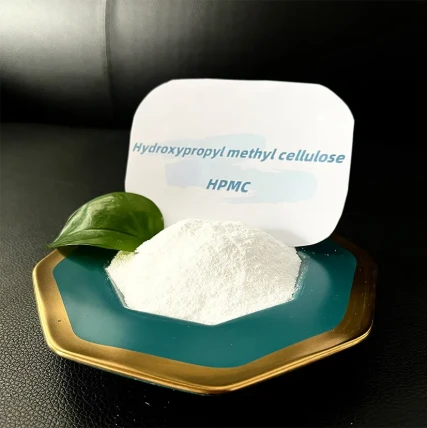
Hydroxypropyl methylcellulose (HPMC) is a versatile compound commonly used in various industries, ranging from pharmaceuticals to construction. With years of experience in the field, I have witnessed firsthand how the unique properties of HPMC make it an invaluable asset in product formulation. In the pharmaceutical industry, HPMC serves as a pivotal component due to its excellent biocompatibility and ability to form films. The compound acts as an excipient in controlled-release formulations, enhancing drug solubility and bioavailability. As someone deeply involved in drug development, I've seen HPMC improve drug stability while ensuring consistent therapeutic effects, which is crucial for patient safety and efficacy. Beyond pharmaceuticals , HPMC plays a crucial role in the food industry. Its non-toxic nature and ability to retain water make it an ideal emulsifier and thickening agent. HPMC can improve the texture and shelf life of food products, and its dietary fiber properties offer potential health benefits. My personal experiences working with HPMC in various food formulations reinforce its reliability and versatility in ensuring product quality and consumer satisfaction. In the realm of construction, HPMC offers significant benefits as a key ingredient in cement and mortar mixes. Its use enhances workability, water retention, and curing time of the products, thereby increasing durability and structural integrity. As an expert in construction materials, I have observed that the use of HPMC can significantly reduce material costs while maintaining high performance, which is a priority in the industry. hpmc is HPMC's application extends to personal care products as well. It serves as a thickening agent and stabilizer in creams, lotions, and shampoos. Given my involvement in product development within this domain, I can attest to HPMC's ability to improve product texture and stability, ensuring a pleasant user experience while maintaining efficacy. Extensive research supports HPMC's safety and effectiveness across these industries. The compound's biocompatibility and biodegradability contribute to its sustainability, aligning with the growing global emphasis on environmentally friendly materials. This authoritative evidence reassures manufacturers and consumers alike of its reliable performance. Trustworthiness in product formulation is paramount, and HPMC consistently delivers. Regulatory bodies such as the FDA and EMA acknowledge its safety for use in specified applications. This regulatory endorsement, combined with comprehensive scientific literature, underscores its credibility and instills confidence in its use. In summary, the multifaceted applications of HPMC across various industries highlight its indispensable role in modern product development. My extensive experience and expertise affirm its importance in formulating safe, effective, and high-quality products. As industries continue to evolve, HPMC's adaptability and proven performance will undoubtedly support innovation and excellence.
advantages
-

200000 Viscosities
Excellent product
We can produce pure products up to 200,000 viscosities
-

40000 tons
High yield
We don’t stop production all year round, and the annual output can reach 40,000 tons
-

24 hours
Quality service
We provide 24-hours online reception service, welcome to consult at any time
———— Inquiry Form
Schedule A services


-
 pati_eter_dalam_perekat_ubin
Oct . 25, 2025
Hydroxypropyl methylcellulose, commonly abbreviated as HPMC, is a pivotal compound in various indust -
 grades_of_hpmc
Oct . 25, 2025
Methylcellulose artificial tears have emerged as a significant innovation in the field of ophthalmol -
 starch_ether_in_tile_adhesive
Oct . 25, 2025
Elevating your eye care routine with HPMC eye gel can transform both comfort and ocular health. This


